
Visn AI Presents at the Puerto Rico Water & Environment Association Annual Conference
A note from the author:
This article reflects Visn AI’s perspective on how operational and compliance data can become a strategic asset for water, stormwater, and environmental programs. The focus is not on collecting more data, but on connecting existing records to reveal patterns, anticipate pressure points, and support better planning decisions.
Visn AI Presents at the Puerto Rico Water & Environment Association Annual Conference
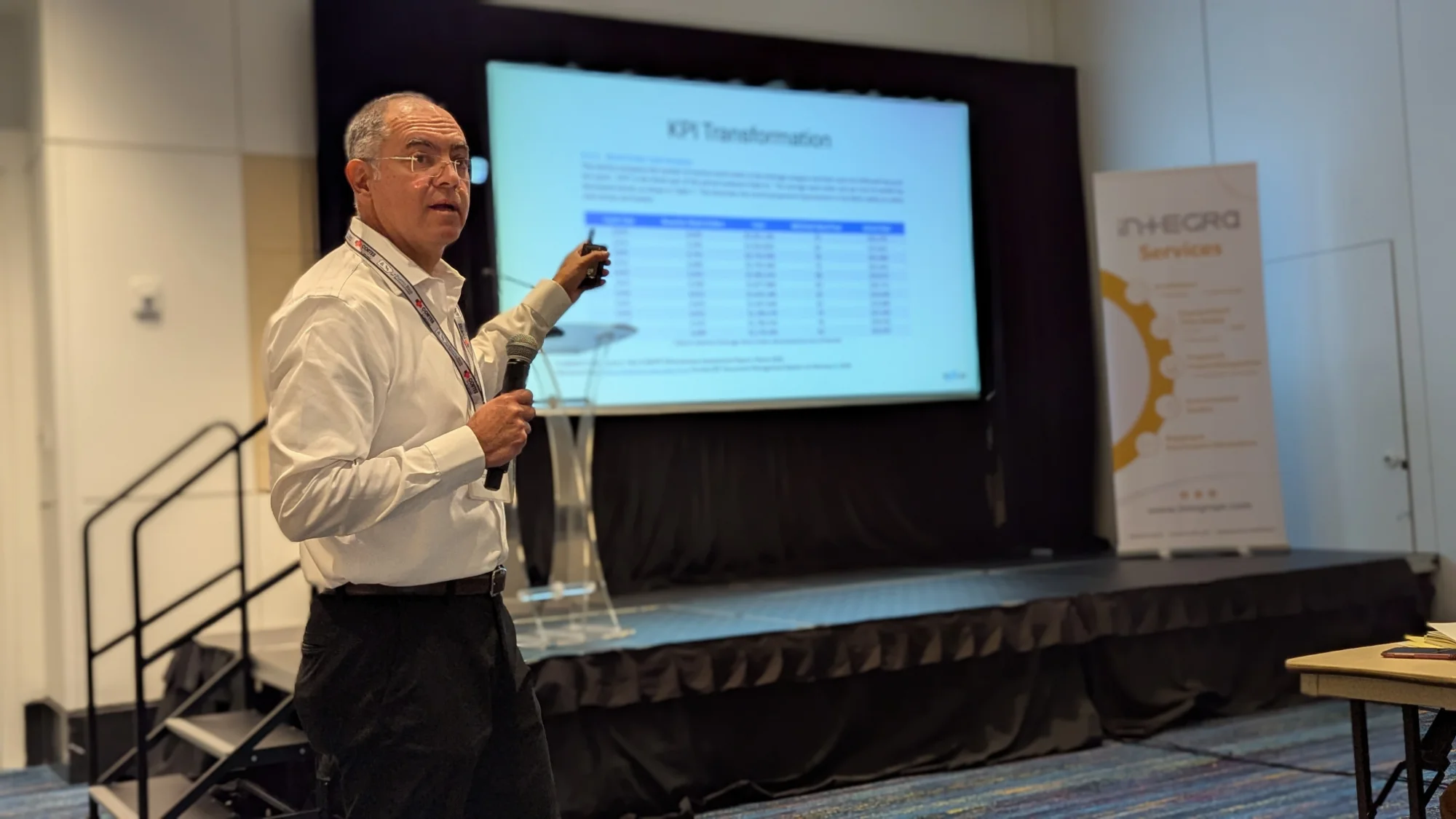
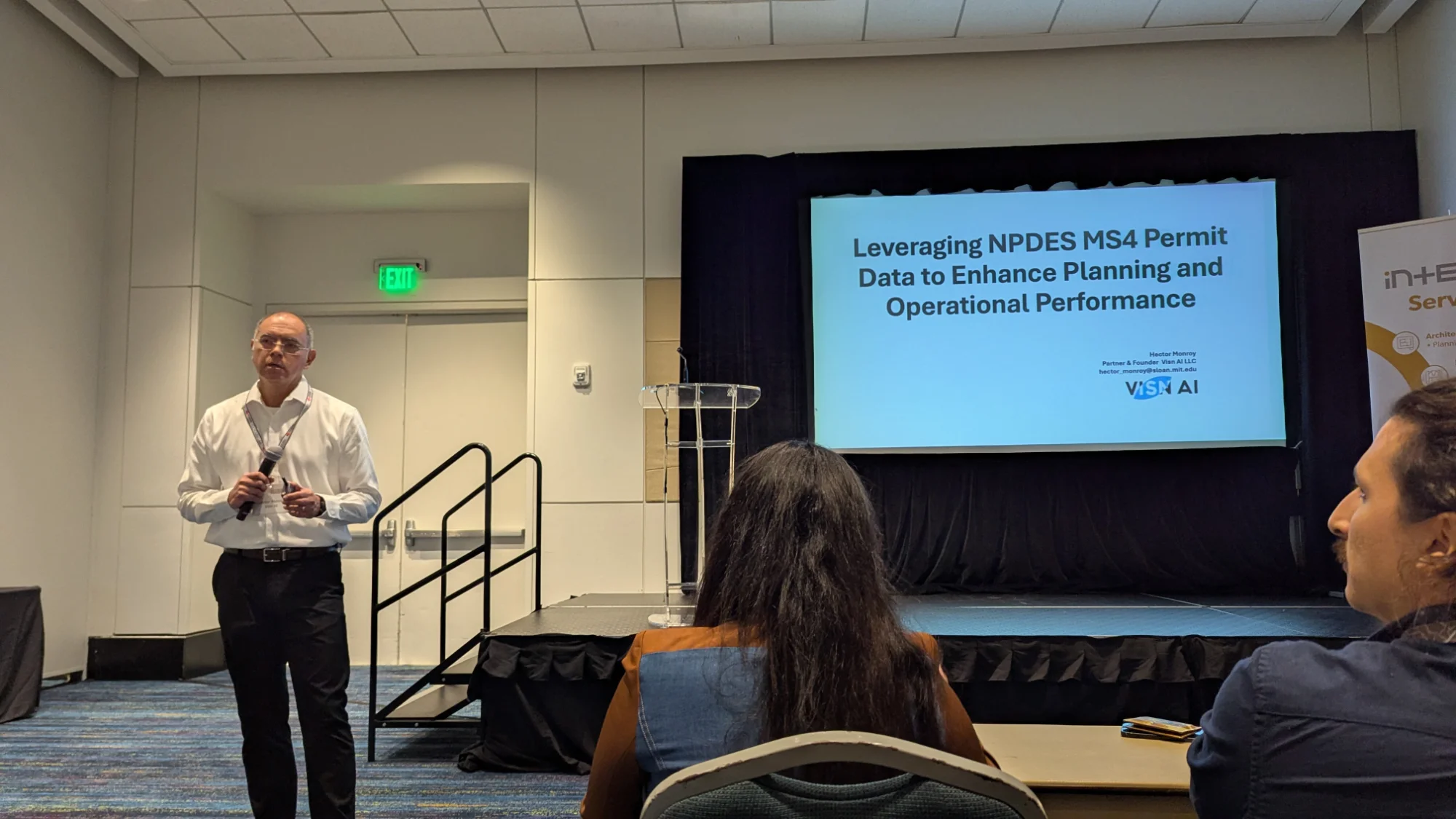
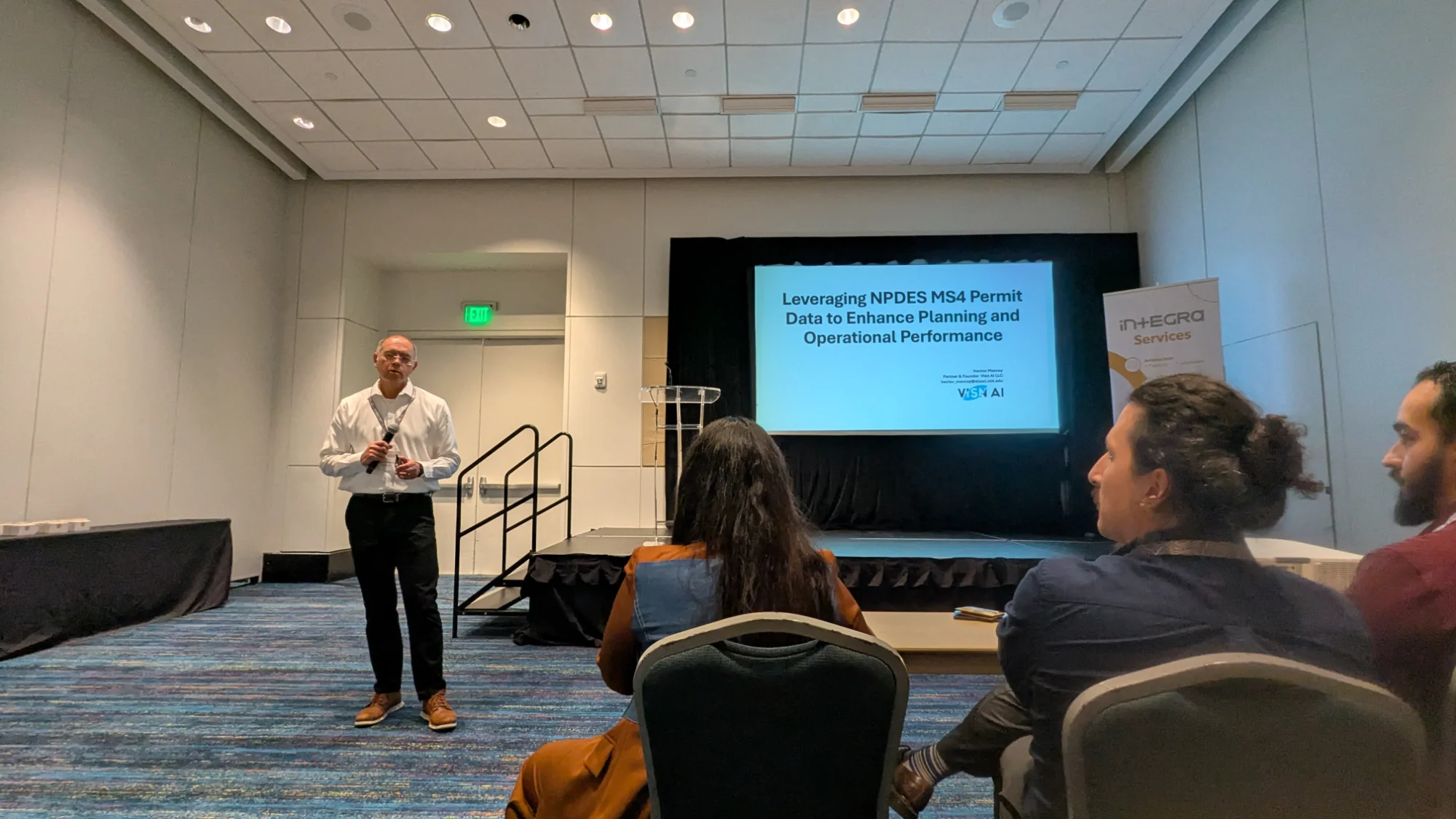
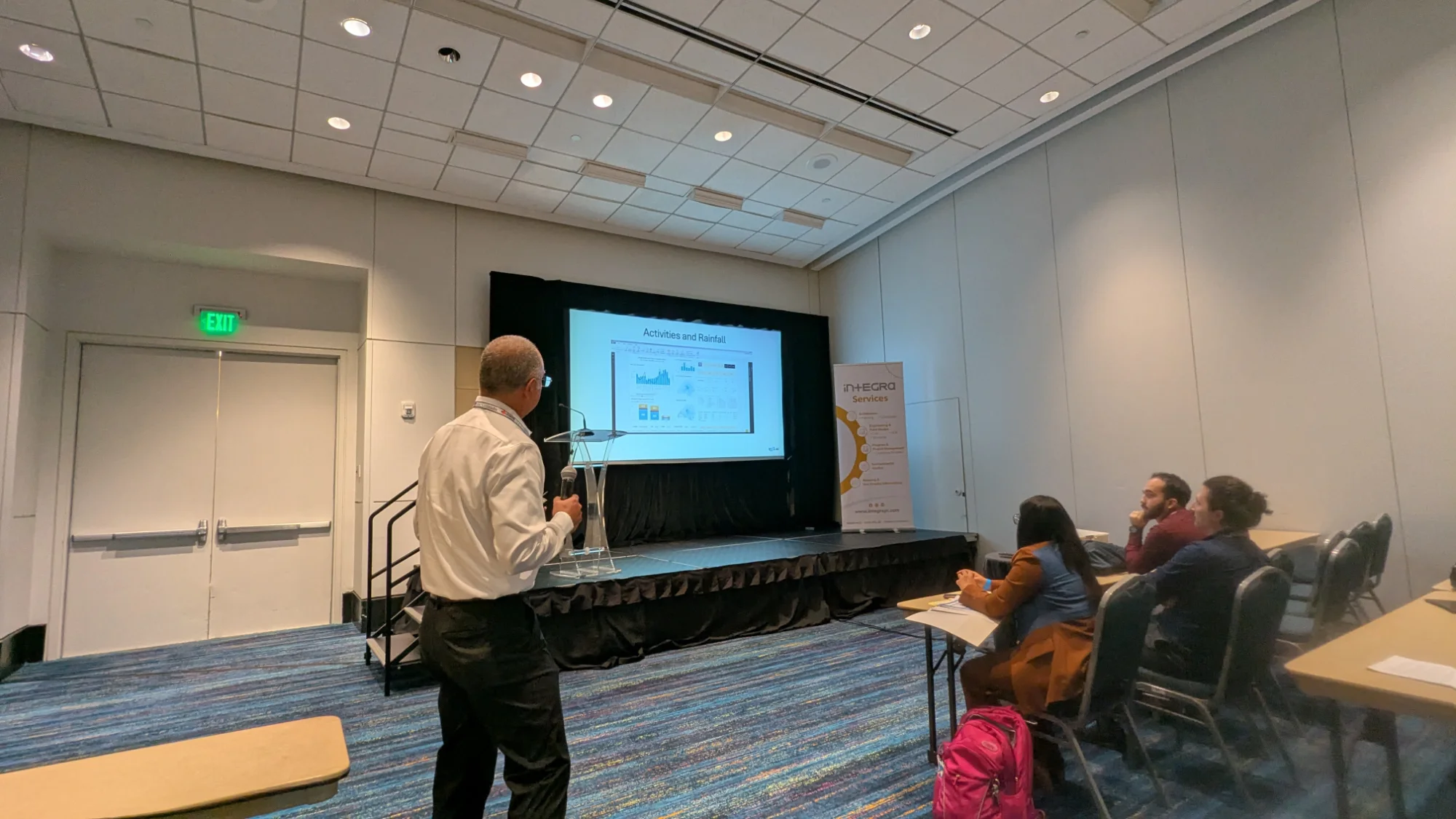
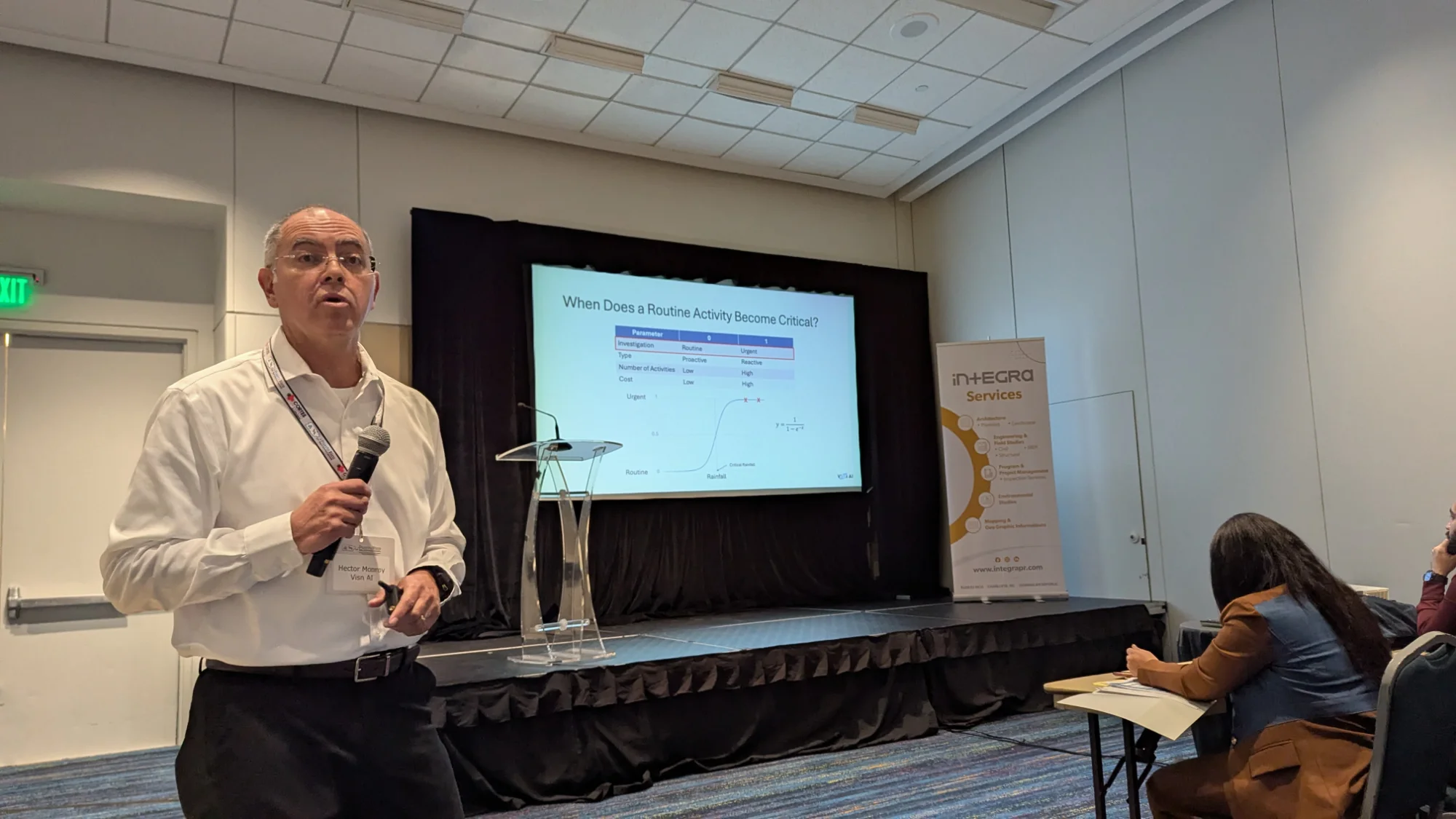
On March 3–4, 2026, Visn AI participated as a featured speaker at the Puerto Rico Water & Environment Association (PRWEA) Annual Conference & Technical Exhibition 2026, held at the Puerto Rico Convention Center. The conference brought together 48 expert speakers, making it one of the leading professional gatherings in the water and environment sector in the region.
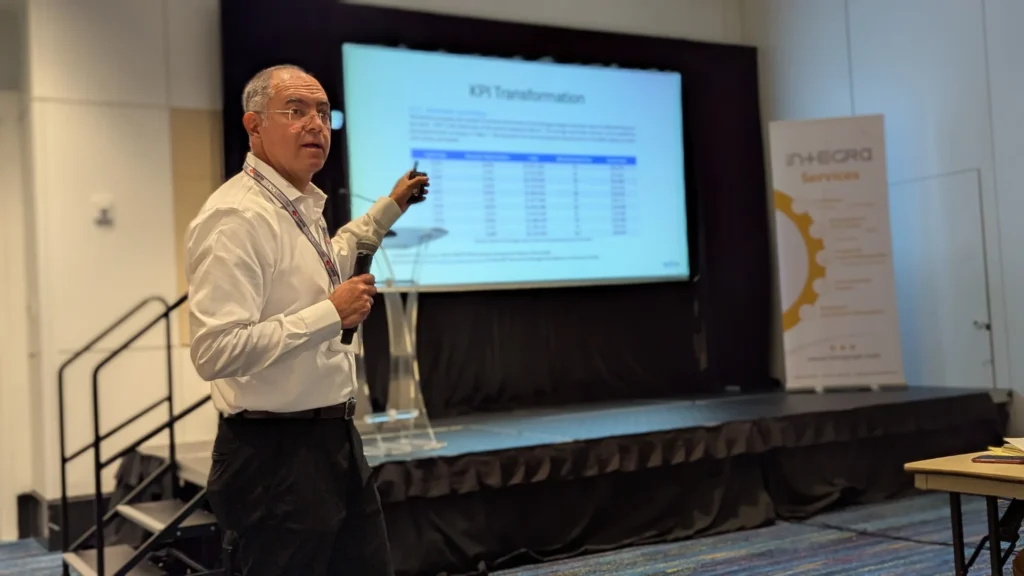
Hector Monroy, Founder & Partner of Visn AI, delivered a presentation on how Municipal Separate Storm Sewer System (MS4) permit data can be leveraged to improve planning and operational performance.
The Data Is Already There
Monroy opened by recognizing that many MS4 programs already collect substantial operational data; inspections, maintenance records, complaints, rainfall measurements, and field activities. Each individual record may appear routine in isolation. But analyzed over time, that same data can reveal something far more valuable: patterns of accumulation, locations sensitive to rainfall, and areas where system performance repeatedly degrades.
Despite this, day-to-day planning in many programs remains reactive; driven by complaints or specific incidents, even when historical records already contain consistent, identifiable patterns between rainfall and operational demand.
The Right Question to Ask
Monroy was clear that the challenge is not about technology, nor about a lack of data. What is often missing is the ability to turn existing data into actionable operational insights. He framed it as a practical operational question:
At what level of rainfall does the system stop behaving routinely and begin to generate operational pressure? And in which areas do that shift occur first?
In many MS4 programs, these signals already exist within operational and environmental records. They are simply not visible when events are viewed in isolation. They only emerge when inspections, maintenance logs, rainfall data, and field responses are analyzed together over time.
From Reporting to Anticipation
Operational value, Monroy argued, emerges when data is analyzed collectively, not in silos. The goal extends beyond compliance reporting. It is about identifying patterns, improving planning, and anticipating where attention will likely be needed before pressure builds.
A key point raised during the discussion was that many organizations already collect significant operational and compliance data yet still use it primarily for reporting rather than for forecasting operational conditions. The opportunity is not necessarily collecting more data; it is learning how to analyze what already exists to support forward-looking decisions.
“The real question is whether the organization has a method to translate rainfall into operational behavior, identifying the precipitation threshold at which urgent work orders begin to rise and anticipating which areas of the system will come under pressure first,” Monroy concluded.
Other Posts
-
Visn AI Takes the Stage at Mega Viernes Civil
-
Visn AI Presents at the Puerto Rico Water & Environment Association Annual Conference
-
Where Handicrafts Meet Digital Marketing: Transformation in Action
-
Data-Driven Hurricane Response: Analyzing Puerto Rico's Municipal Contracting Patterns
-
Coral Gables Small Business Summit
Discover how Visn AI can help your organization unlock growth through intelligent marketing and digital transformation.
Ready to turn knowledge into practical AI adoption?
Let's explore how Visn AI can help your business grow with intelligence, insight, and impact.
Visn AI Takes the Stage at Mega Viernes Civil
Visn AI Presents at the Puerto Rico Water & Environment Association Annual Conference
Where Handicrafts Meet Digital Marketing: Transformation in Action
Data-Driven Hurricane Response: Analyzing Puerto Rico’s Municipal Contracting Patterns
Coral Gables Small Business Summit
VisnAI Framework Showcased at EXPO TECH Panamá 2025
AI & Copyright in Panama’s Creative Economy: A Vital Conversation
VisnAI Enhances the EXPO TECH 2025 Experience with a New AI-Powered Chatbot
A New Era of Consultancy and Business Decision-Making.

Copyright © 2026 Visn AI LLC. All Rights Reserved.
Solutions
Company
- About Us
- Fleming Island, Florida U.S.A.
- +1 786.460.4718
- info@visnai.com
Resources
- AEC Report
- What is Visn AI Video
- News & Articles